To understand history is to know that it lives in an area that dwells in duality. History can be marvelous and harrowing. It can be inspiring and terrifying. Juneteenth is a holiday that celebrates and commemorates a pivotal part of United States history. It was the day that marked the freedom of enslaved people in Galveston, Texas.
History cites it as the day that federal troops arrived in Texas to “ensure that all enslaved people be freed.” This happened in 1865, exactly two and a half years after Abraham Lincoln signed the Emancipation Proclamation. But, only a few months after the end of the Civil War.
Celebrating Juneteenth looks different for everyone. While some celebrate with cookouts, others might attend panel discussions highlighting the important history behind the holiday.
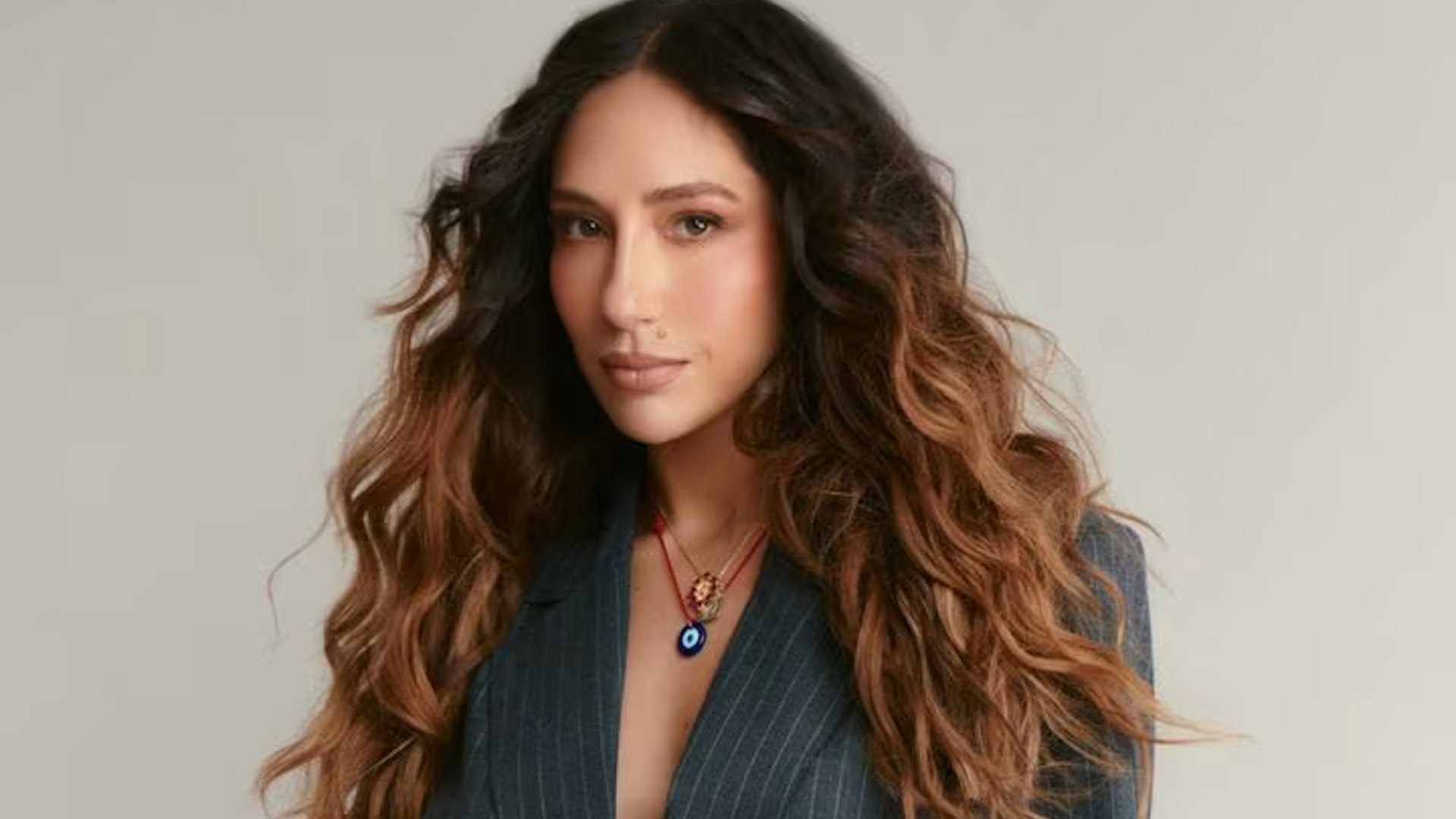
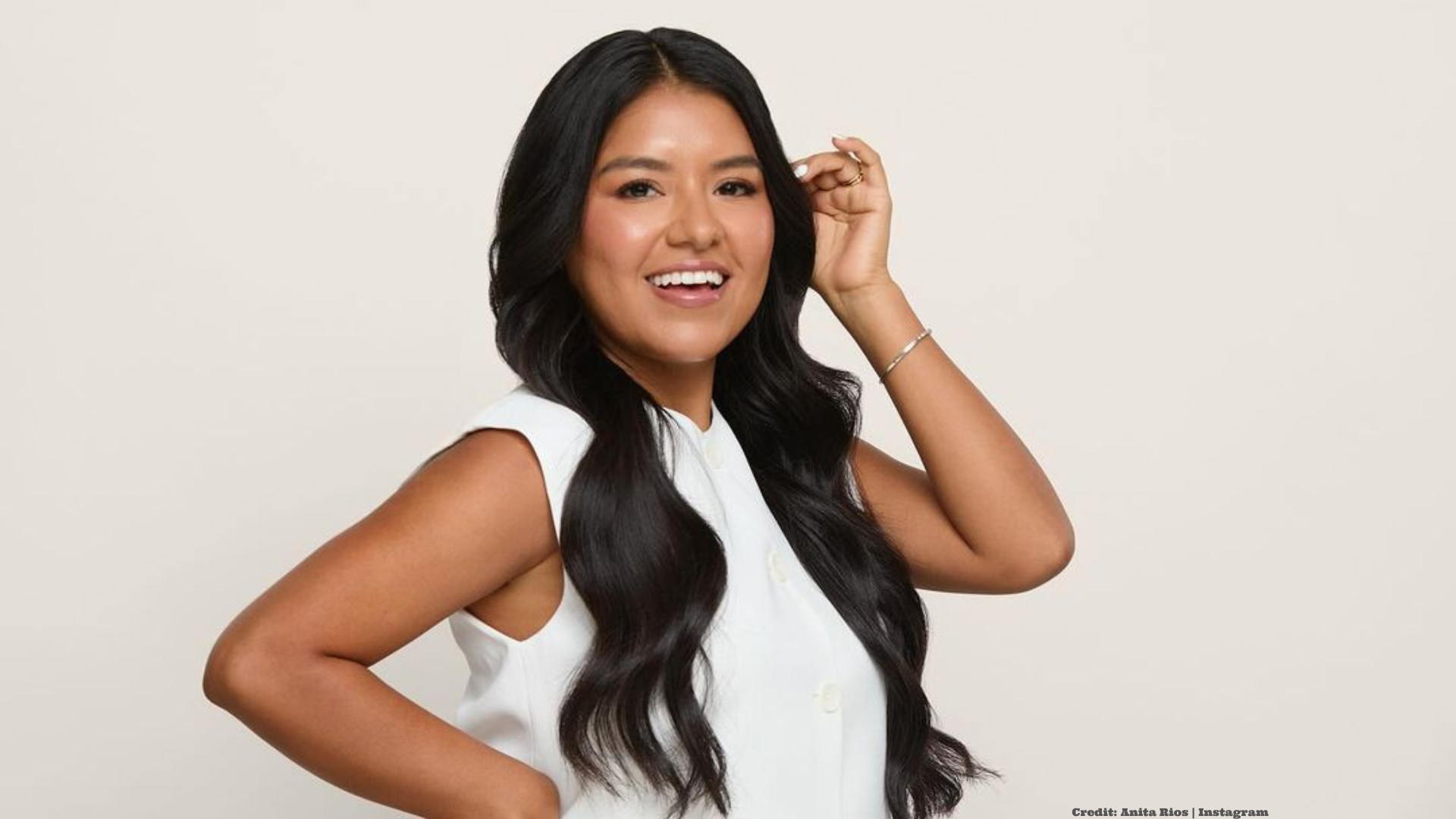
For Afro-Indigenous Latina Victoria Carrington Chávez, the day holds a lot of meaning. It’s a day to reflect on and celebrate the progress her people and culture have made.

Credit: Courtesy of Victoria Carrington Chavez
Carrington Chávez experiences a combination of “awe and grief” when she thinks about the history tied to Juneteenth
She tells Latinidad Collective, “For me, it’s a day of reflection and celebration. To celebrate how far we’ve come and how far we’ve got to go. Something I find inspiring on Juneteenth is a mix of awe and grief as I think about what my Ancestors and other Black slaves endured.”
The Lilac & Aspen founder shared how her grandmother told her that “Gospel music” brought hope to her ancestors during “plantation times.”
It’s something that she found “deeply beautiful.”
“[D]uring the darkest of times, Black people still found ways to sing. It’s one reason I have felt so personally inspired by Beyoncé’s [“Cowboy Carter”], songs like ‘BLACKBIIIRD,’ which was inspired by Black women, remind me of the resilience and strength of Black people throughout American history,” she added.
Carrington Chávez also has ties to Texas. So, she feels an even deeper connection to the holiday.
“My ancestors on my Dad’s mother’s side were from Texas. With African American roots connected to Texas, I feel the jubilation of the last Black slaves being freed,” she proclaims.

Credit: Courtesy of Victoria Carrington Chávez
The Afro-Indigenous Latina continues, “It is definitely worth celebrating. And while we still have a ways to go when it comes to equality in the United States, Juneteenth feels like a reminder of the steps forward and [the] progress we have made.”
The Afro-Indigenous Latina grew up in a family with ties to the Civil Rights movement
“When I was in elementary school, I learned a lot about the Civil Rights movement from my father and grandparents, as they were actively involved in the era,” she begins.
Carrington Chávez adds, “My grandfather, Albert Thomas Carrington, won multiple awards for his efforts to subside racial tensions within the school districts during integration. My grandparents helped support a neighborhood family, The Browns, [to] send their daughter’s (and other Topeka families) case to the Supreme Court, Brown V. Board of Education.”
The La Mezcla Creative Co. founder says her childhood was filled “with stories of Black liberation and advocacy.” But it was in the fifth grade that she “learned about the horrors of slavery.”
“Do the best you can until you know better. Then, when you know better, do better.”
Maya Angelou
“I truly didn’t understand how anyone could put another human through that. I learned that we were taken from Africa,” she elaborated.
She continued, “I was the only Black kid in my class, and some students made fun of the fact that my family would have been slaves. Thankfully, I had an African American teacher who gave me books about the songs slaves would sing and stories of the Underground Railroad.”
She was “deeply inspired by their resilience and determination to find liberation.”

Credit: Courtesy of Victoria Carrington Chávez
“I asked my mom to make a vest with [an] African print or ‘kitenge’ to show I was proud of where I came from. When I was asked to speak last year at a conference about ‘Afro-Indigenous’ identities, I had a ribbon skirt made of the same fabric,” she says.
“My ancestors may have endured the dark, but it was for me to have the opportunity to bloom. They survived so that I may thrive and that is not a gift I take lightly. Juneteenth is also a day to celebrate them,” she emphasizes.
She finds that the official recognition of the holiday can contribute to a more inclusive understanding of U.S. history
In order to learn from the past, all its parts must be examined. It’s not enough to see the contributions and resilience of one group of people. Inclusivity means that all groups’ joint contributions and resilience must be considered.
“I feel the more opportunities we have to educate each other on the diverse historical narratives, while grim, the greater chance we have to not repeat the past. Juneteenth, being a federal holiday, creates space for conversation,” Carrington Chávez asserts.

Credit: Courtesy of Victoria Carrington Chávez
She continues, “There are many stories left out of American history, especially in the school systems. These aren’t easy stories to share, but they are important; they remind us of both the worst side of humanity and the best sides of humanity. We can learn from our past and do better.”
“To paraphrase the famous Maya Angelou quote, ‘When you know better, you do better.’ Having more recognition of our past helps us do better for the future,” the Afro-Indigenous Latina noted.
Carrington Chávez also believes that “the resilience and hope” celebrated can continue to inspire social justice in the U.S.
“The resilience and hope it took to believe that liberation would come while still in the midst of darkness is a valuable lesson we can cherish,” she says.
“I feel with so much going on in the world, Juneteenth offers a reminder of [the] hope that there is a space for liberation and peace, even for a moment or day,” she concludes.