Taking care of your skin can be a layered experience. With all the information out there, it can be difficult to know what really works for your skin. Skincare can be nuanced and can require more than what you put on your face.
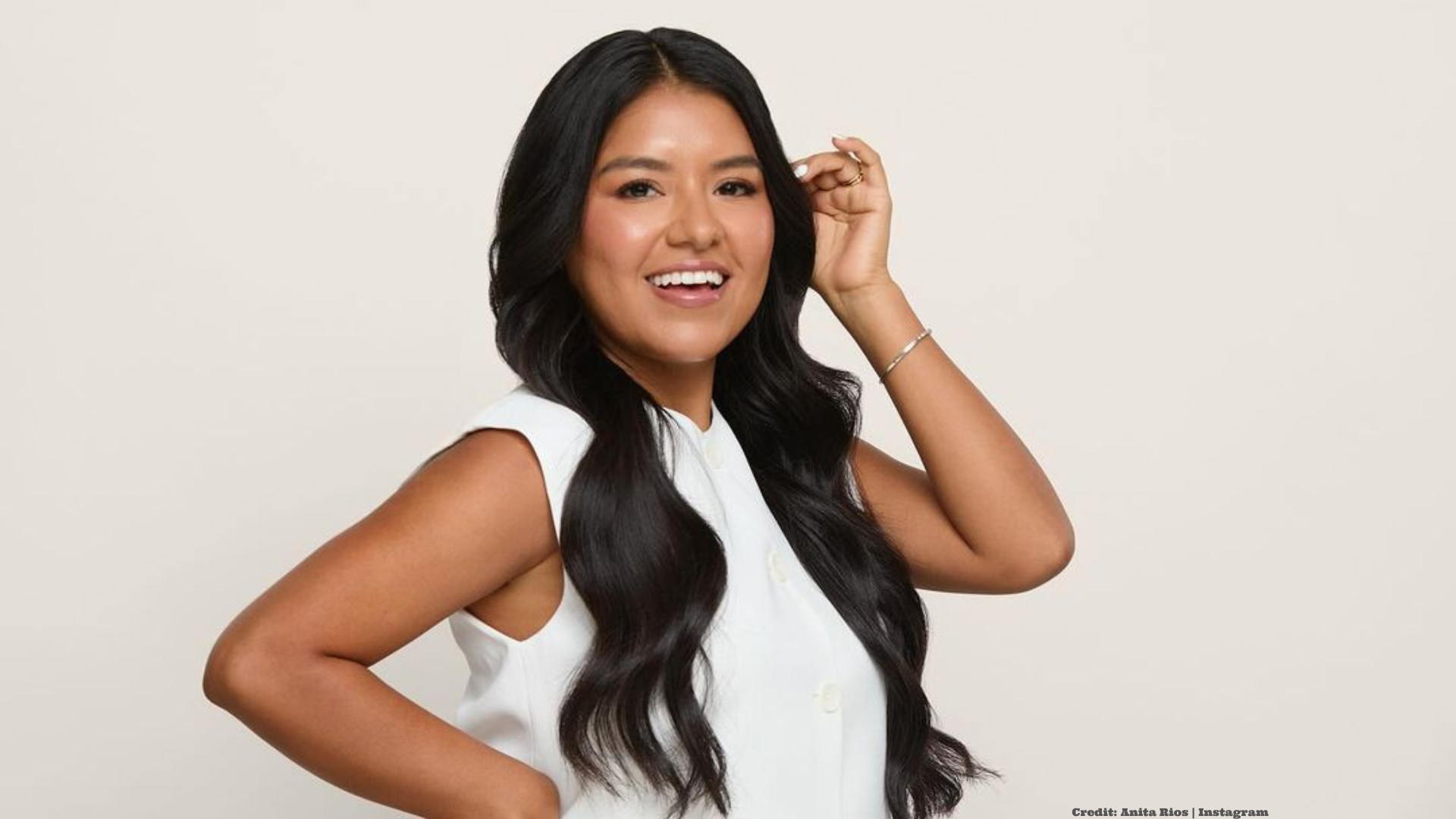
For skincare entrepreneur Anita Rios, her heritage shapes the way she approaches her process with clients.
She tells Latinidad Collective, “Everyone’s skin does not react in the same manner to a particular product. For these reasons, I want to invest in the education of my Hispanic peers to gain more knowledge about their skin type to figure out which products are best fit for them.”
“In the treatment plans that I give to my Hispanic clients, I make sure to include education on the importance of diet. Food plays a major component in the lifestyle and traditions of the Hispanic culture,” the Peruvian explains.
Rios discusses why speaking English and Spanish is an important element in the way she connects with her clients. She also discusses why using at-home remedies is something folks should steer clear of.
Your journey from Lima, Peru, to founding RIOS Aesthetics & Wellness in Central Florida is inspiring. How did your cultural roots and personal experiences shape your approach to skincare, particularly in addressing the needs of the Latino and Latine communities?
Skincare, within the cosmetics industry, was always prominent from my experience growing up in the Latin community. It greatly influenced my approach to skincare by understanding the importance of bringing the best quality products and services to my Latin peers.
The hustle and grind as a Hispanic woman is something that has built determination within me to meet the skin goals of all my clients regardless of their ethnicity.
As a Face Reality Acne Expert, you focus on treating acne-prone skin, especially for Latino and Latine clients. What are some unique challenges faced by their skin types, and how do you tailor your treatments to meet those needs?
Challenges that I usually face with Latinx skin are Post-Inflammatory Hyperpigmentation (PIH) and melasma. Latin skin is more prone to these two skin conditions which I have to be mindful of.
In regards to PIH, my approach is to focus on decreasing the acne lesions and lowering inflammation as soon as possible.
This also involves informing the client to not pick at the skin lesions which can lead to severe acne scarring. Pertaining to melasma, it is one of the most stubborn skin conditions to treat due to factors such as hormonal imbalances, medication side effects, genetics, and inadequate protection from the sun.
A lot of patience is needed to treat this type of skin condition in that it normally does not clear overnight. Setting expectations with patients who have melasma is key along with continuous education on how to manage it.
Post-inflammatory hyperpigmentation is a common concern for many in the Latino and Latine communities. But it’s common for people to use at-home “remedies” to cure things — something that stems from there being a stigma about asking for help. How do you help curb that misconception?
Education is [an] important aspect of addressing this misconception. We have to consider the consequences that many Hispanics face when choosing their own remedies to solve their skincare concerns.
There can be adverse side effects [for] Hispanics that could lead to skin damage caused by unknown allergies. A “natural” product does not mean that it is a “better” product.
Everyone’s skin does not react in the same manner to a particular product. For these reasons, I want to invest in the education of my Hispanic peers to gain more knowledge about their skin type to figure out which products are best fit for them.
Incorporating cultural backgrounds into skincare routines is a unique aspect of your practice. Can you share some examples of how family origins, cultural skincare practices, or diet play a role in the treatments you provide to your Latino and Latine clients?
In the treatment plans that I give to my Hispanic clients, I make sure to include education on the importance of diet. Food plays a major component in the lifestyle and traditions of the Hispanic culture.
However, most Hispanic diets are high in carbohydrates, sugar, and calories. This can lead to some implications when it comes to acne management such as skin inflammation and sudden formation of pimples.
I inform my clients that there needs to be a level of compromise in what types of foods they can eat to better control their skin-clearing progress.
Bilingualism is a significant asset in business, especially in diverse communities. How has being able to serve clients in both English and Spanish enhanced your ability to connect with and provide better care for your clients?
Anyone who is able to communicate with someone in their original language is able to instantly connect at a deeper level. For example, living in Florida gives me a huge advantage because not every client understands English and I can bring an ease of comfort for their skincare needs.
I see it [as] a privilege to be able to have a greater influence with various Spanish-speaking communities and also act as a bridge between the language barriers to connect clients and professionals alike.