Music moves the body and the soul. The right song can hit you where you need it and get you moving. Whether you’re on a packed dance floor or in tu habitación (because you’re shy like me), there has been a time when dancing has healed something in you. If we’re being honest, can anyone escape “Suavemente” by El Gran Elvis Crespo once it comes on?
As Latinos and Latines, we are lucky to be born into a culture where music is deeply ingrained into our everyday lives. When we clean or cook, there’s music. During celebrations, we hire mariachis or small conjuntos to play live music. And each of those times, we dance. We dance like no one is watching and like everyone is watching at the same time.
When we dance, we experience catharsis, releasing trapped energy that our bodies have held stagnant for who knows how long. Some studies prove that dancing heals not just the soul but the body as well.

Latin America has a long history of dancing
Dancing can be used for so much more than getting your groove on. Before your mamá started blasting Luis Miguel on Saturday mornings while she cleaned and clanged pans, it was used for religious ceremonies or special offerings to deities.
Britannica cites that the dance styles of Latin America were heavily influenced by the traditions of Indigenous people, African slaves, and Spanish and Portuguese colonizers. Where the Aztecs had something more “structured,” African slaves introduced more hip movements (something that scandalized the poor clergy).
For many, dance was a tie to their culture and past. It gave people a sense of oneness despite any loss they may have encountered, such as death, famine, or autonomy. Dancing gives people power. It brings them together.
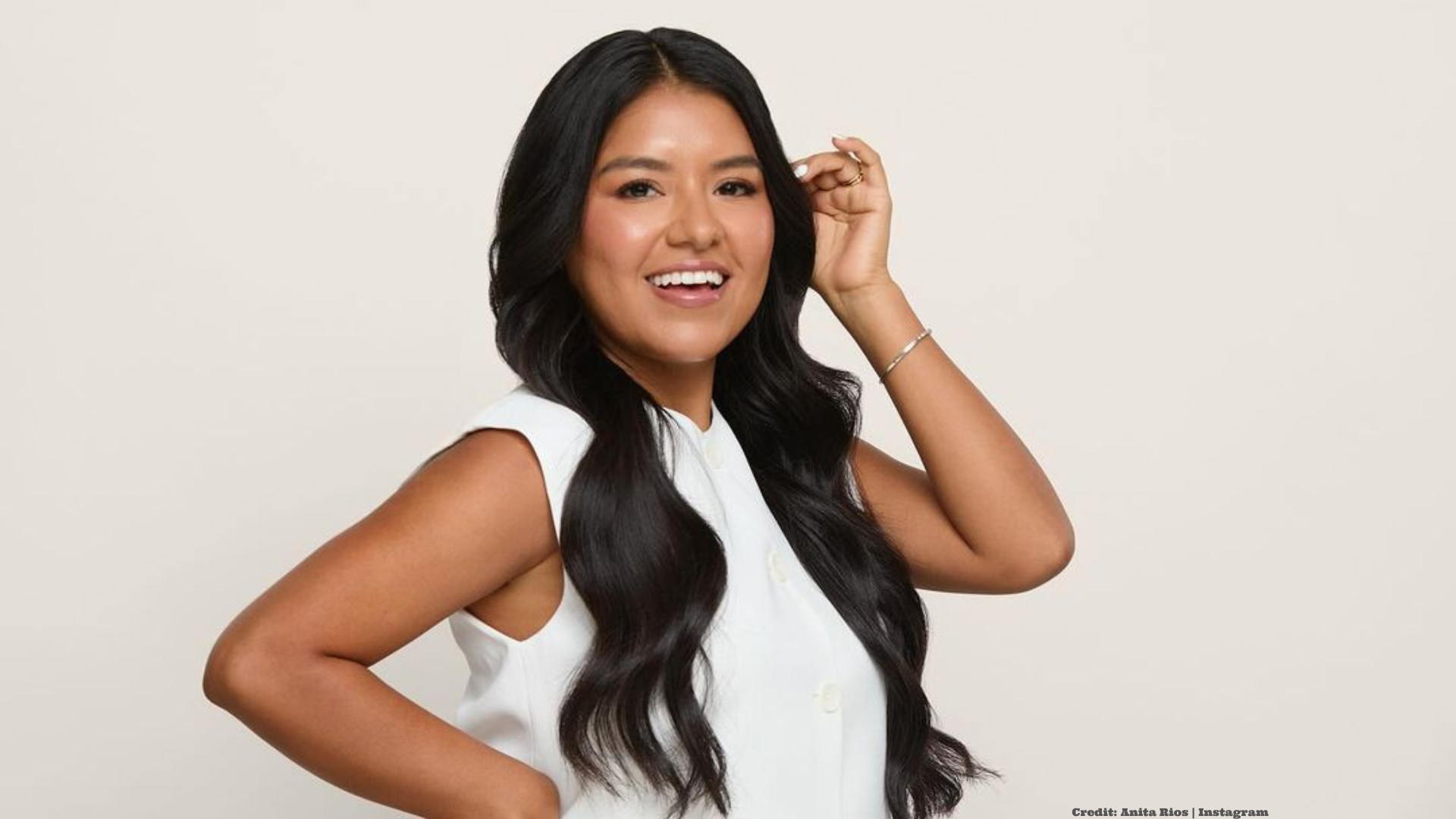
When you dance, you don’t need to busy your mind finding words you don’t have. You can just be, move, and forget that anything is wrong. Your worries melt away for a moment. This holds true for Peruvian-American Marie Carazas.

The founder of Marie Alice Photography tells LC, “Dancing is one of the only times when I can forget about everything else. It’s meditative for me in that way.”
“I’m so focused on the rhythm and moving by my body that I can put aside anything else outside of my stellar moves,” she continues.
Carazas asserts, “Not only does it improve my mood, especially when I’m feeling low, but it also makes me feel courageous. There’s something about moving my body that feels liberating.”
Dancing can help us heal trauma
So, dance therapy is a thing, and it’s mighty useful, according to Healthline and the American Dance Therapy Association. The ADTA explains that movement, in of itself, was “our first language” and begins when we are fetuses.
Healthline adds that since the mind and the body are so interconnected, when dance affects the body, it also affects the mind.
Aisha Dixon-Peters, PsyD, a licensed clinical-community psychologist and senior adjunct professor at The University of La Verne, shares, “Trauma lives in the mind and body.”
Healthline further quotes her saying, “When one experiences a traumatic experience or chronic trauma, the central nervous system promptly assesses and determines the most efficient response for survival.”

For this reason, dance therapy and other somatic interventions can be so helpful in releasing everything our bodies hold. Ari Honarvar, author and founder of Rumi With A View, alludes that, to her, dancing was equal parts healing and a show of rebellion against the oppressive Iraqi regime she grew up in. It led her to bring music and poetry to worn-torn areas.
Cuban-born GiGi Diaz shares with LC, “After 23 years of guiding dancers of all ages at GiGi’s Dance Academy, I’ve witnessed time and again how movement becomes medicine.”
“The body stores emotions, unspoken grief, unprocessed joy, even generational pain, and through dance, we unlock those stories and give them space to move, shift, and ultimately heal,” the CEO and Founder of Seizing Happy®️ shares.
Think about it. What happens when you’ve had a tedious week or month? A little voice usually says, “I want to go dance.” Then you proceed to gather your tribe for a night of laughing, twirling, and pure joy.
You get home tired, sweaty, and blissful because that tension you held in your shoulders and lower back is magically gone. Dancing is truly that powerful.
It reminds us that our body is ours, and that there’s joy in that
Many of us walk around feeling like our bodies don’t truly belong to us. Whether it be for cultural, religious, or political reasons. Dancing is one of the few times when that ideal melts away into the ether, and we are one with our own universe.
Nothing and no one can get us on the dance floor, a reprieve of sorts. We grew up in a society or family that teaches us to shrink ourselves, to behave, and to be modest. But to dance is to declare: I am here, I am alive, and I will take up space.
When we dance, we reclaim what we were taught to diminish out of shame. It’s a declaration, a celebration, and it brings us pleasure. We can do it and be unapologetic, sensual, and free. The moment the movement hits, our shoulders release, our smiles widen, and we let go of all that has plagued us.

Diaz adds, “Science backs this up: Movement releases endorphins, reduces cortisol levels, and stimulates areas of the brain associated with emotional regulation.”
“But beyond the science, dance reconnects us to ourselves. It reminds us that healing doesn’t always have to be linear or logical. Sometimes, it’s rhythmic, intuitive, and deeply embodied,” the certified business coach, who founded GiGi’s Dance Academy over 20 years ago, asserts.
It doesn’t matter who we are grinding on or how close our dance partner holds us during a bachata. Freedom strikes. Tears flow. Joy overrides every other feeling. When life is so consistently hard, dancing allows us the softness we deserve and are worthy of.
The dance floor is where we get to come home to ourselves
Perhaps, bailando isn’t just about dancing. I see it as a kind of return to ourselves. The version of us that has a childlike wonder about life and no worries outside of how to enjoy ourselves next.
Dancing can help us shake off grief, societal and cultural expectations, and generational traumas we might be unaware of. If for three minutes, everything is right with the world, I’m okay with that.
Every shimmy, shake, two-step, perrero, and solo dance party while you’re getting ready is a radical act of healing and living. So, maybe we should all dance a little more. Dance like no one sees us. Or better yet, dance like we finally see ourselves.