If there is anything that we’ve learned in recent weeks thanks to Guillermo del Toro’s Frankenstein, it’s that films can be emotional catalysts. Through film, human dynamics are dissected into a manner that resonates with viewers of all creeds. The issue that many Latino and Latine filmmakers come across is equitable access to resources. mitú x Walmart want to change that with their mitú | Walmart Filmmaker Mentorship Program.
Through their program, Latino and Latine filmmakers enter a one-of-a-kind launchpad that gives them accessibility to much needed resources and mentorship.
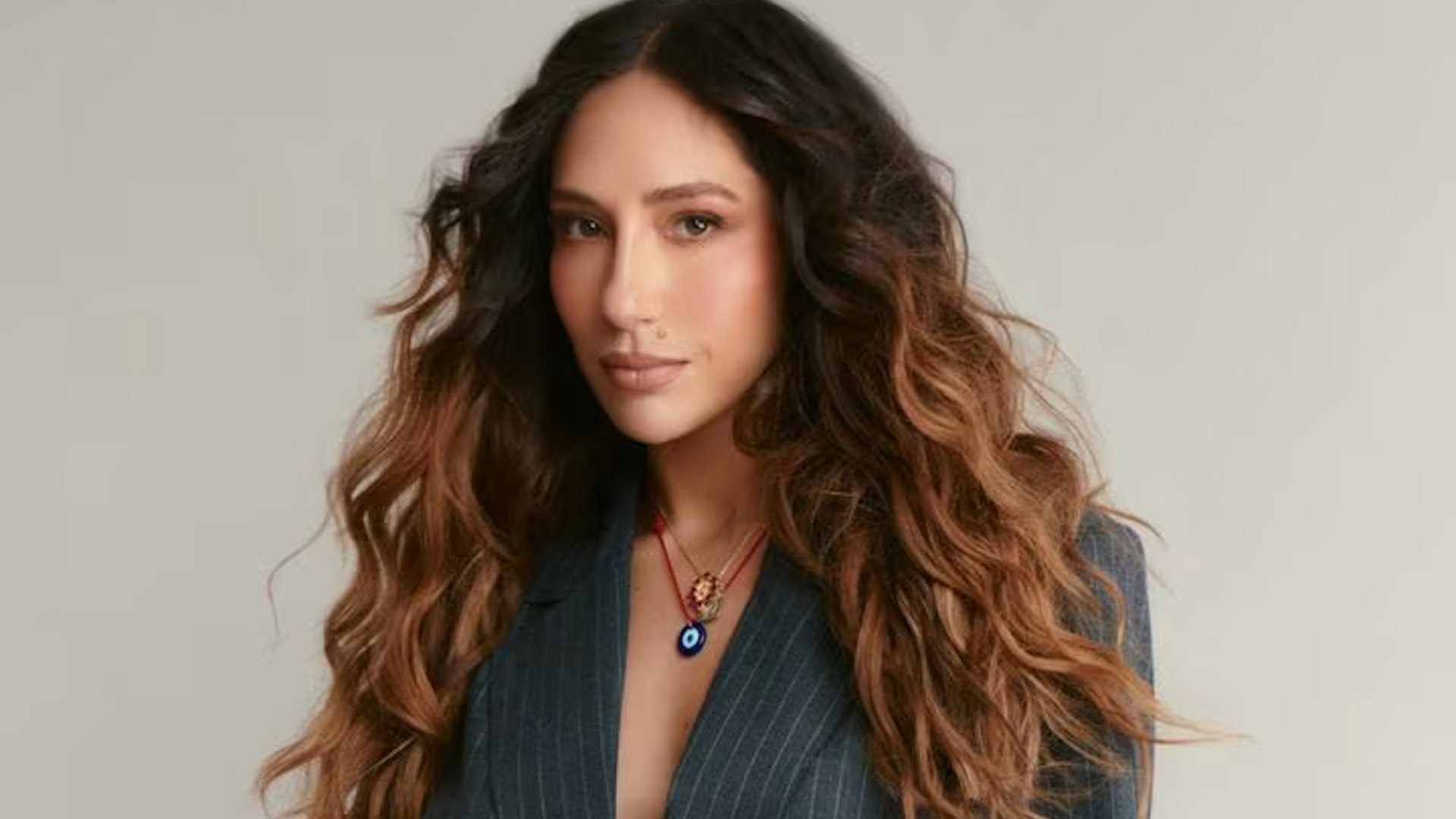
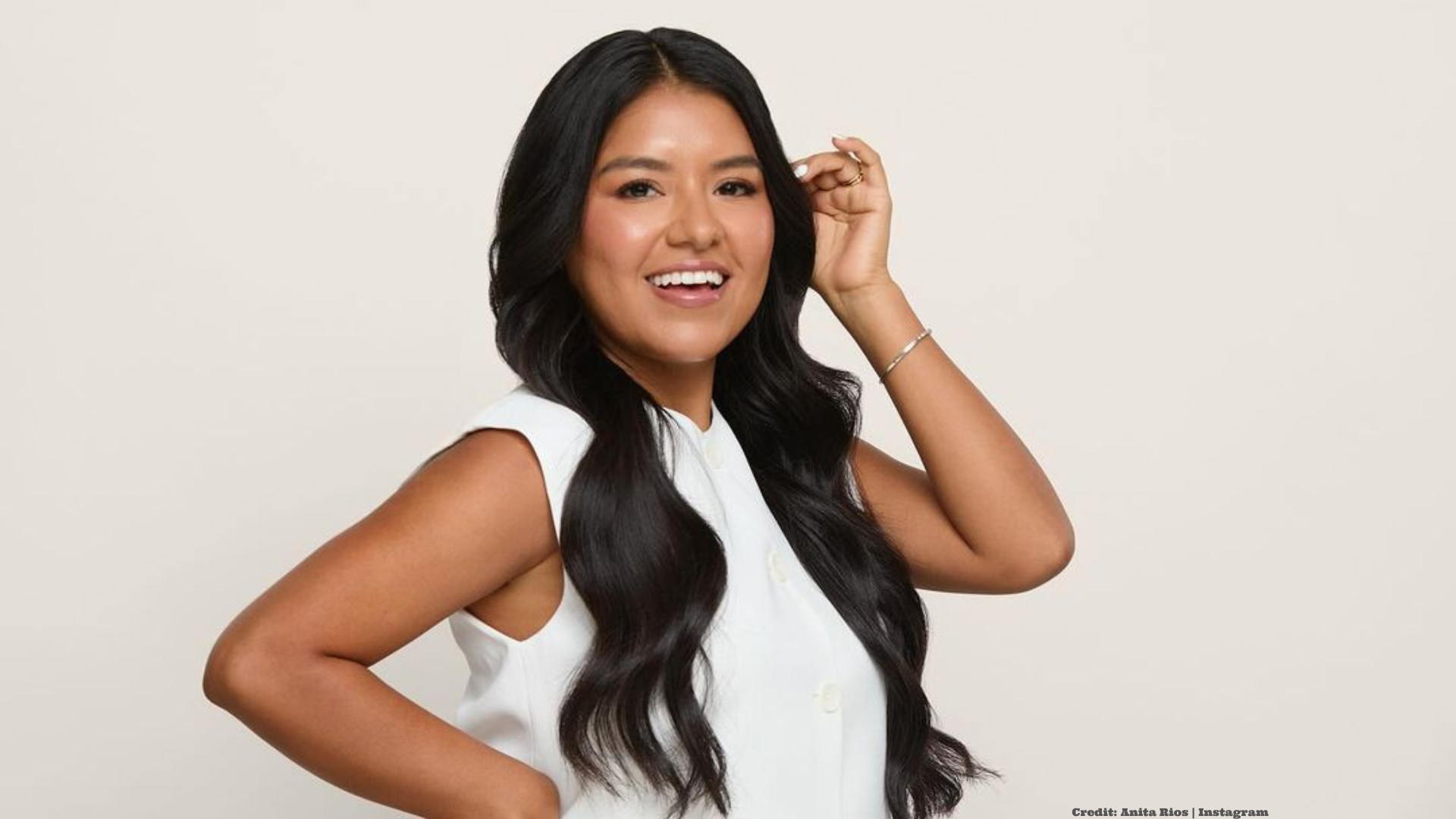
Latinidad Collective had the pleasure of asking program alumna Stephanie Osuna-Hernandez (Spill The Frijoles) and Sophia Constanzo (Cups) about their experience. They also gave us the lowdown on what attendees of the Miami short Film Festival had to say about their films.
How did seeing your films come to life (from getting accepted into the program to premiere night) shift or reaffirm your understanding of the stories Latino creators are eager to tell right now?
Stephanie Osuna-Hernandez: People want to see themselves, their tías, and their culture authentically represented on the big screen. It reaffirmed that I’m going [on] the right path in making these films about my community.
While my short is very specific to the [Los Angeles] Mexican experience, other Latinos and even non-Latinos felt represented in the family dynamic I wrote and directed. This just goes to show that our experience is universal and deserves to have so many more films about it. So Latinos should keep telling their stories more than ever.
Sophia Constanzo: Seeing our films come to life and how well they were received by audiences at the premiere in Miami really reaffirmed that there is such a need for Latino stories at this moment.
While each of us filmmakers had our own unique story to tell, throughout each of our films, there were similar themes on family, growing up, and culture, and I think it goes to show that Latino creators are eager to tell stories that break stereotypes in our communities and work to show positive representations of Latinos on screen.

Credit: Miami short Film Festival | NGLmitú
What conversations or moments from premiere night stayed with you, especially in terms of community, representation, or the emotional response from the audience?
SOH: I got anecdotes from non-Mexican Latinos about how they saw themselves and their family members in my short film. They shared about their family dynamics and family reunions that went similarly to the one in my short film.
Also, how they are the family members that want to change traditions, just like my leads, it was so nice to get those stories because it means they resonated with what I made, and that’s all I want from any work I do.
SC: Nothing beats watching a film I’ve made in theaters with an audience for the very first time. I love this community element of the filmmaking process, and as a writer/director, it’s my chance to really see how the story lands. In my row, I could hear people react — whether they were laughing, saying “aw” at sweet moments between Valeria or her dad, or cheering her on as she takes the field.
Getting to hear those reactions while watching the film will stay with me forever, and the cherry on top is when people came up to me afterwards to share their own reactions to the film. While many came up to reminisce with me about what it was like to play Little League baseball growing up, others shared their own memories with their dads, which was especially moving since that’s what is at the heart of this film.
As the program looks ahead, what do you hope future cohorts carry forward, or push even further, in terms of narrative risk, cultural nuance, and elevating Latino voices in film?
SOH: I hope they continue to tell stories they want to see, not what others are telling them will work. Stay true to yourself and your voice because that will be your north star throughout the whole program.
SC: As the program looks ahead, I hope that future cohorts continue to tell stories that are authentic to them. Doing so naturally elevates Latino voices in film because each one of us has our own unique story to tell, and it just goes to show that we aren’t a monolith. While certain cultural elements or themes might be similar, there’s so many more Latino stories to be shared, and I’m grateful for programs like this one that strive to bring them to the forefront.
What part of the mentorship experience most surprised you (creatively, personally, or professionally)?
SOH: How much support we got throughout the whole process. They were there for any question we had, gave us great notes on the script and [editing], and amplified us as filmmakers as much as they could.

Credit: Miami short Film Festival | NGLmitú
SC: This program was determined to give us the resources we needed to produce our films, but I was most surprised by them partnering us up with professional storyboard artists. When I was in film school, I never had the budget to work with a professional storyboard artist. One of my goals coming into this program was to work on my ability to direct the camera and really think through how I visually planned to tell my story, so this element of the program was perfect for me.
Working with our storyboard artist, Alexis Bronte, became an integral part of the experience as it taught me so much about how to not only work with someone in this way, but [also] how to communicate the plan to my camera and lighting teams. I was also surprised by how we were able to bring our story to life and match the storyboards so well, or troubleshoot problems on set with them. They were a great guide.